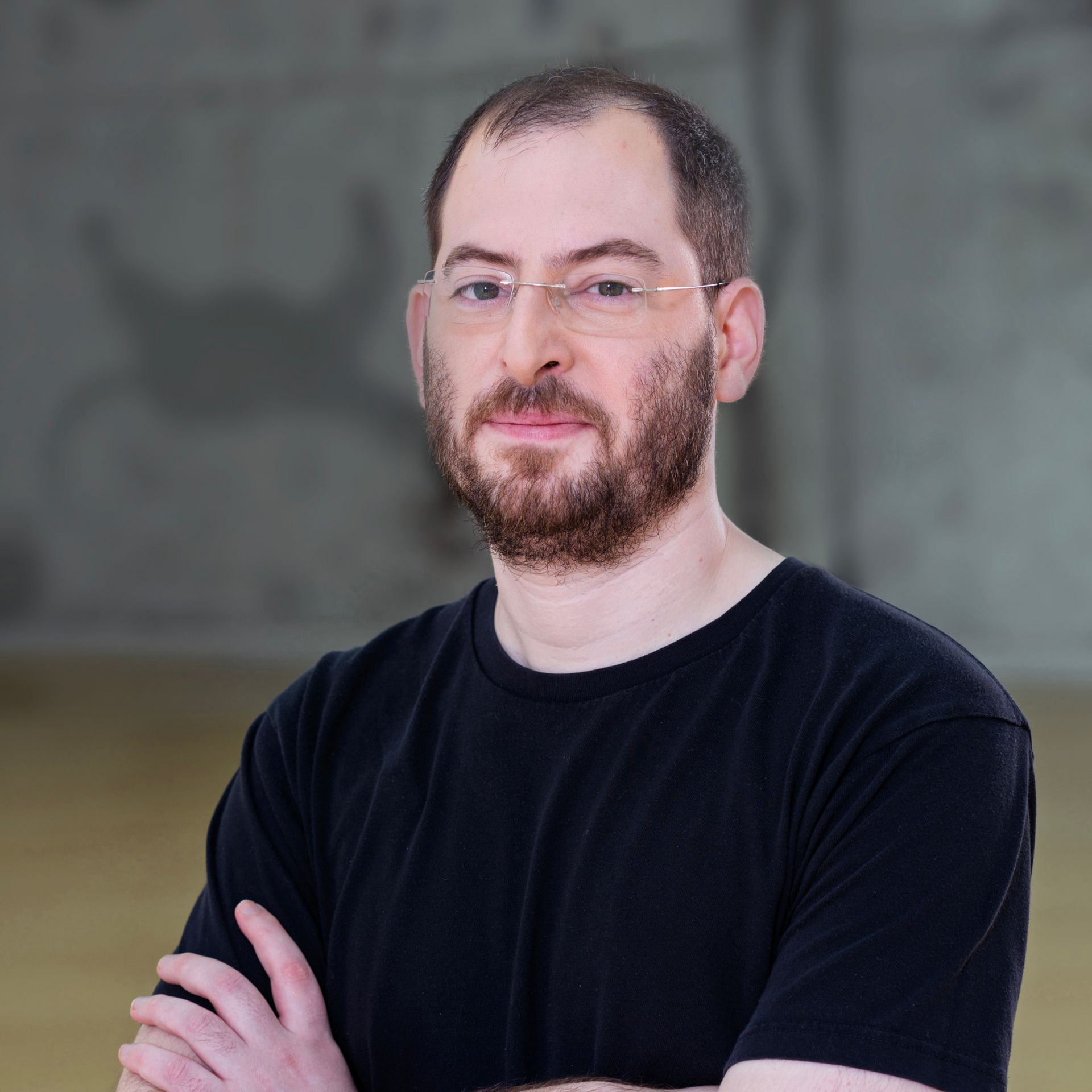
Nitzan Aframian
Award for Outstanding Doctoral Students
Nitzan is a student in the laboratory of Prof. Avigdor Eldar at Tel Aviv University. His research focuses on the interactions between bacteria and the viruses (bacteriophages) that infect them. A deep understanding of these relationships is crucial for developing strategies to control bacterial communities, particularly those that are resistant to antibiotics.
Nitzan’s work centers on dilemmas that arise in the ongoing conflict between bacteria and their viruses. From the viral perspective, his research has demonstrated how viruses communicate with one another to make collective decisions: viruses in a dormant state exchange signals and refrain from switching to active infection when neighboring bacteria are already occupied.
From the bacterial perspective, his studies revealed a trade-off between viral defense and growth. While upregulation of bacterial immune systems protects against diverse viruses, it also causes autoimmune damage to the bacterial cell itself.
In addition to these findings, Nitzan has contributed to the conceptual framework of the field by helping to develop approaches for classifying bacterial defense systems and by advancing the understanding of the extensive diversity of bacterial communication systems. The conceptual shifts he has proposed influence how research in this field is conducted and interpreted.
Beyond the applied potential of his research, his focus on a simple, experimentally tractable system sheds light on general principles governing interactions between living organisms and the viruses that infect them.
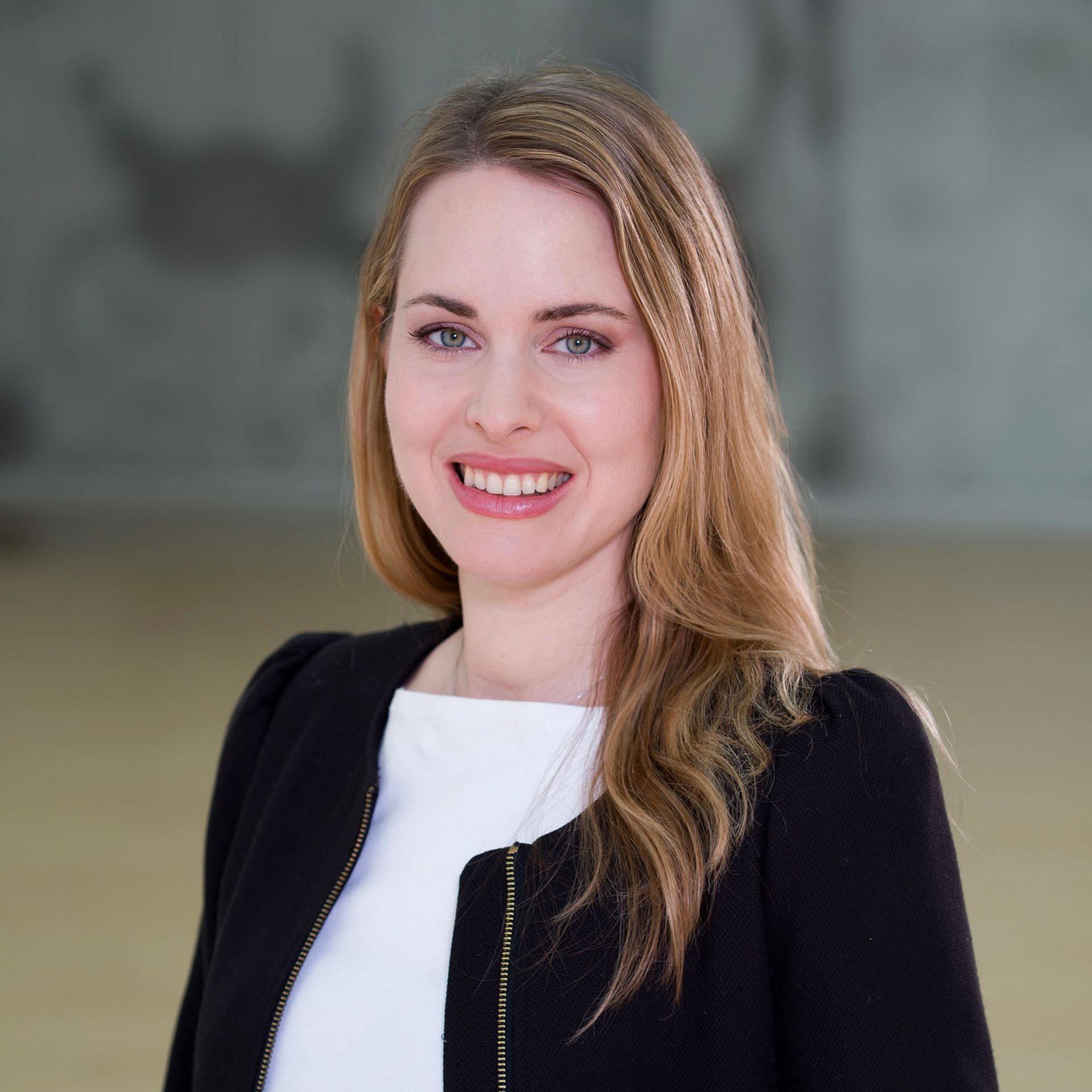
Dr. Michal Andelman Gur
Award for Outstanding Doctoral Students
After completing her MD at Tel Aviv University, Dr. Michal Andelman-Gur joined Prof. Noam Sobel’s lab at the Weizmann Institute as a PhD candidate. She develops biomarkers for early detection of neurodegenerative diseases, focusing on Parkinson’s disease (PD) and related disorders, by leveraging links among olfaction, nasal respiration, and brain function.
PD is often diagnosed only after motor symptoms appear, even though underlying neurological changes begin much earlier. Because olfactory dysfunction in PD often precedes motor symptoms by years, Michal’s work aims to translate this early signal into an accurate and specific screening approach.
In collaboration with Tel Aviv Sourasky and Edith Wolfson Medical Centers, Michal developed two complementary methods to improve diagnostic specificity. First, she introduced an olfactory-behavioral framework that captures an “olfactory perceptual fingerprint” – how people perceive relationships among odors and adjust sniffing while smelling – revealing specific patterns that help differentiate PD-related olfactory dysfunction from other forms of smell loss. Second, building on the coupling between olfaction and breathing, she characterized everyday nasal airflow and identified disease-linked alterations in breathing dynamics associated with PD and other neurodegenerative conditions.
Together, this work offers feasible, noninvasive screening approaches for PD that could enable earlier counseling, improve clinical-trial recruitment, and may even allow intervention before motor symptoms emerge.
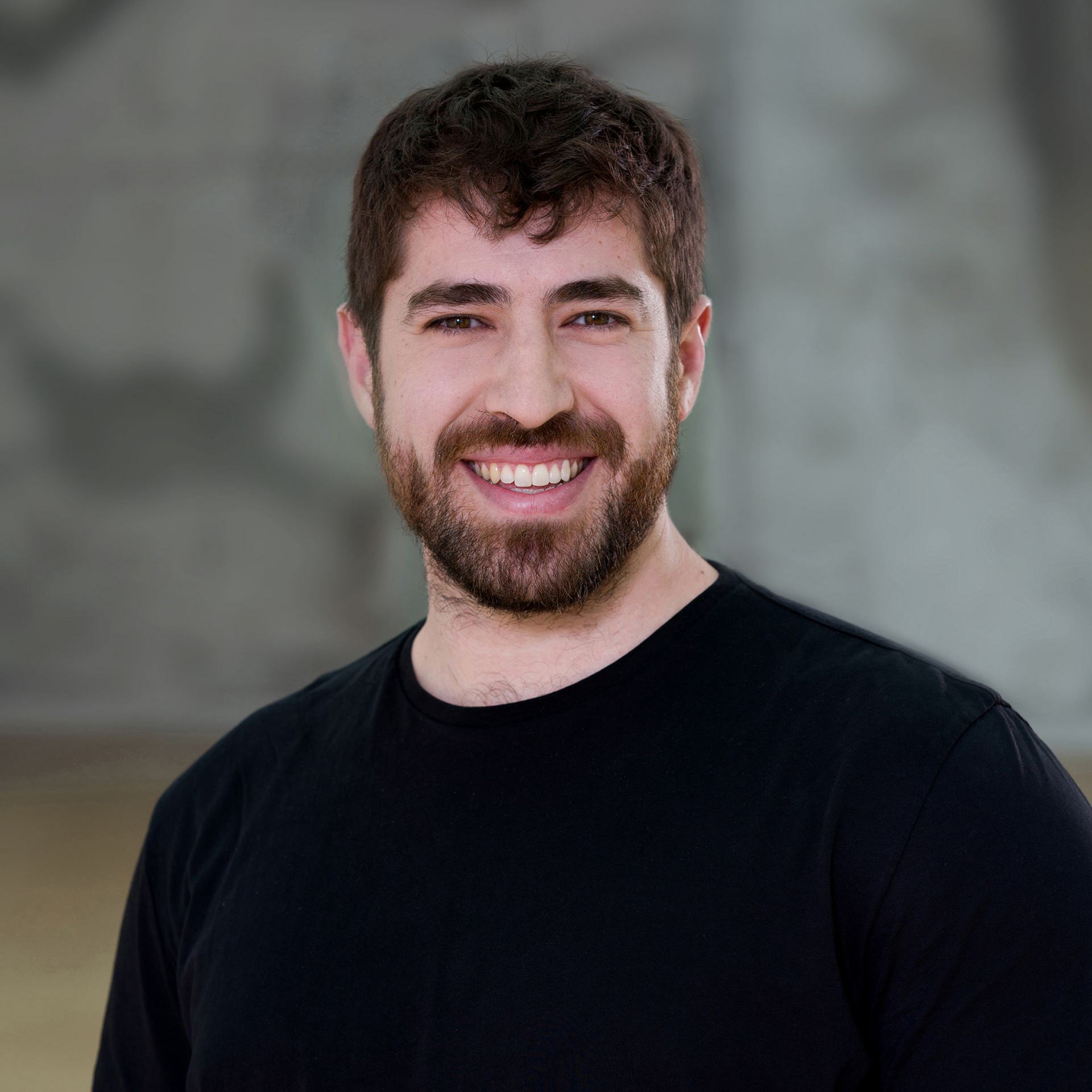
Jonathan Somer
Award for Outstanding Doctoral Students
Jonathan Somer is an MD-PhD candidate at the Technion and holds a degree in Computer Science from Tel Aviv University. Jonathan's work is supervised by Prof. Shie Mannor from the faculty of Electrical and Computer Engineering at the Technion and Prof. Uri Alon from the Molecular Cell Biology department at Weizmann Institute of Science. Jonathan integrates concepts from machine learning, control theory, and dynamical systems to advance cancer research and therapeutics.
A one-centimeter tumor can contain a billion cells of various types. These interacting cells form a complex system which changes over months and years. A fundamental challenge in cancer research is our inability to follow the tumor within the body - biopsies offer just a static snapshot of the underlying dynamic process.
In a study published in Nature, Jonathan developed a method to infer future changes in tumor composition from a single biopsy. The algorithm analyzes spatial measurements of the tissue and learns how cells influence the division rates of their neighbors. Future changes in the tissue are then predicted by performing a spatial simulation of cell division and removal, accounting for the intricate relationships between the different cell types.
This approach successfully predicted treatment response based on early-treatment samples in breast-cancer patients. It also proposes a novel theory: the immune system may combat cancer through "flares" similar to those seen in autoimmune diseases. Jonathan hopes this approach will enable the development of drugs that block the intercellular feedback loops driving cancer, ultimately allowing for treatments tailored to the real-time behavior of the tissue.
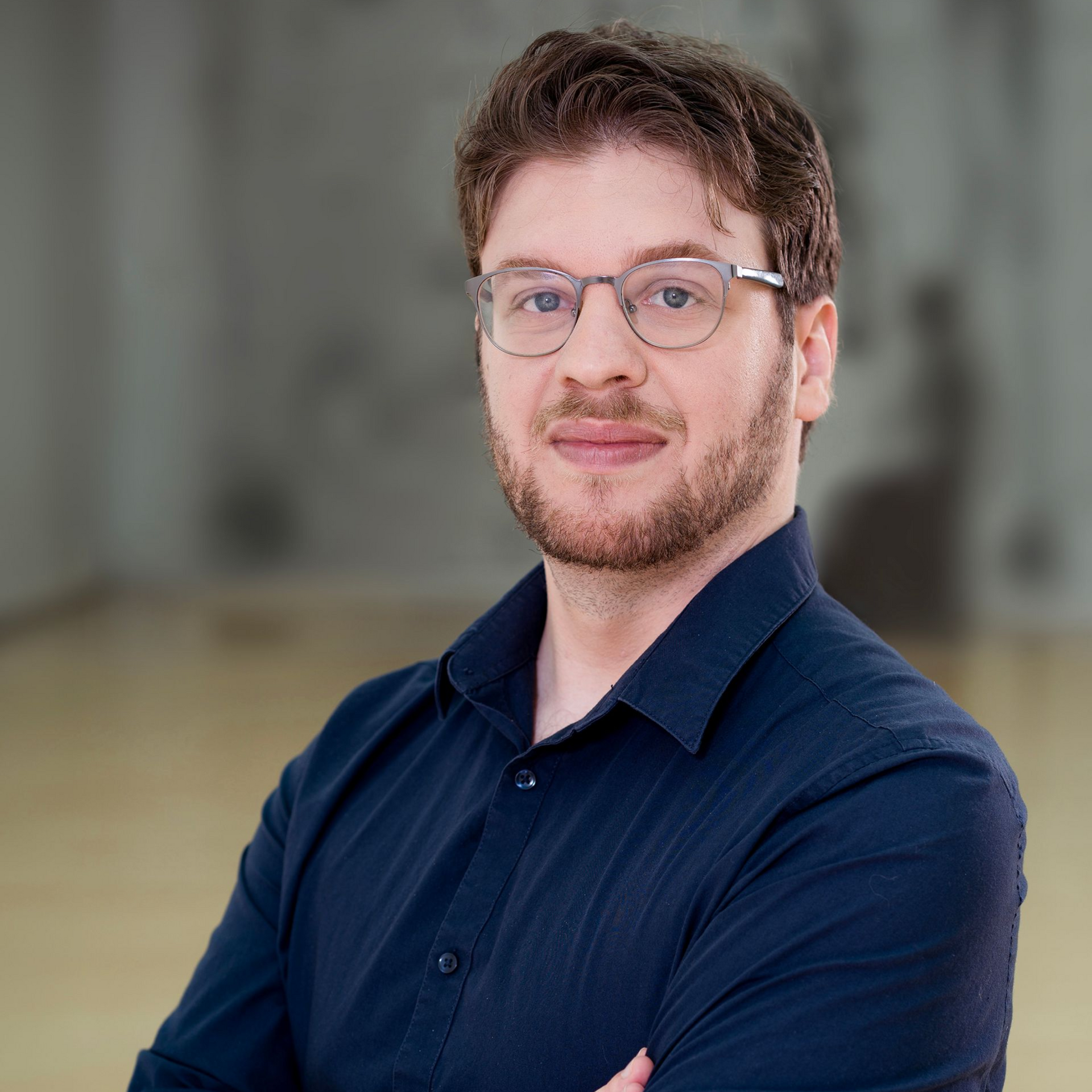
Ron Sheinin
Award for Outstanding Doctoral Students
Ron is a PhD student in Computer Science at Tel Aviv University, jointly supervised by Prof. Roded Sharan from the School of Computer Science and Prof. Asaf Madi from the Faculty of Medicine. His research focuses on developing advanced computational methods based on machine learning for the analysis of gene expression data at the single cell and spatial levels, with the goal of extracting deep biological insights from complex molecular data.
Recent advances in single cell sequencing technologies now enable the study of complex biological environments, such as the tumor microenvironment, at unprecedented resolution. However, the scale and complexity of these data pose significant challenges for direct biological interpretation. In his research, Ron develops computational platforms designed to help researchers analyze these datasets in a more informative manner, understand the dynamics between different cell types, and identify key biological processes occurring in both healthy and disease states.
As part of his doctoral work, he developed computational tools that enable systematic analysis of interactions between distinct cell populations within the tumor microenvironment, and allow comparison of the way these interactions change between healthy and diseased tissue. In collaboration with the German Cancer Research Center (DKFZ) these methods were applied to a model of aggressive brain cancer, glioma, uncovering a regulatory system that may contribute to improving the effectiveness of biological therapies for this disease.
In addition, a deep learningÎ-based framework was developed for analyzing changes in biological pathways, defined as groups of genes that act together to perform specific cellular functions such as cell division or immune response, across different cell types and pathological contexts. This approach allows researchers to focus on functional processes rather than individual genes, providing a broader and more integrative view of biological dynamics in disease.
Ron believes that in an era of rapidly expanding genetic data and advanced sequencing technologies, the integration of computer science, machine learning, biology, and medicine is essential. Such interdisciplinary approaches enable deeper insights into complex biological systems, help uncover hidden molecular mechanisms, and contribute to a better understanding of human disease and the development of precise, data-driven medicine.